
How to Master Baking the Perfect Cake
Baking the perfect cake is the ultimate centerpiece for celebrations, ranging from rich, dense chocolate masterpieces to light, airy sponges. In the creative world of cake varieties, these desserts generally fall into two main categories based on their fat content and leavening agents: shortened cakes and foam cakes. Shortened cakes are butter or oil-based, relying on ingredients like butter, shortening, or oil for moisture and a fine, tender crumb. Because they are sturdy and rich, they make the perfect option for layered celebration cakes. Classic examples include pound cake, a dense, traditional style originally made with a pound each of butter, sugar, eggs, and flour; red velvet cake, a dramatic, soft-crumbed dessert featuring a hint of cocoa and a distinct red hue traditionally topped with cream cheese frosting; and carrot cake, an ultra-moist oil-based option packed with grated carrots, warm spices, and walnuts.
On the other hand, egg-based foam and sponge cakes contain little to no fat and rely on whipped eggs or egg whites to rise, resulting in a light, airy texture and a flexible crumb. Mastering these varieties is essential when you are focused on baking the perfect cake every single time. Notable varieties include angel food cake, which is entirely fat-free and made exclusively with whipped egg whites, sugar, and flour; chiffon cake, a hybrid style that uses vegetable oil for moisture but relies heavily on whipped egg whites for a light, fluffy lift; and genoise, a classic European sponge where whole eggs are beaten with sugar over warm water to create a stable foam.
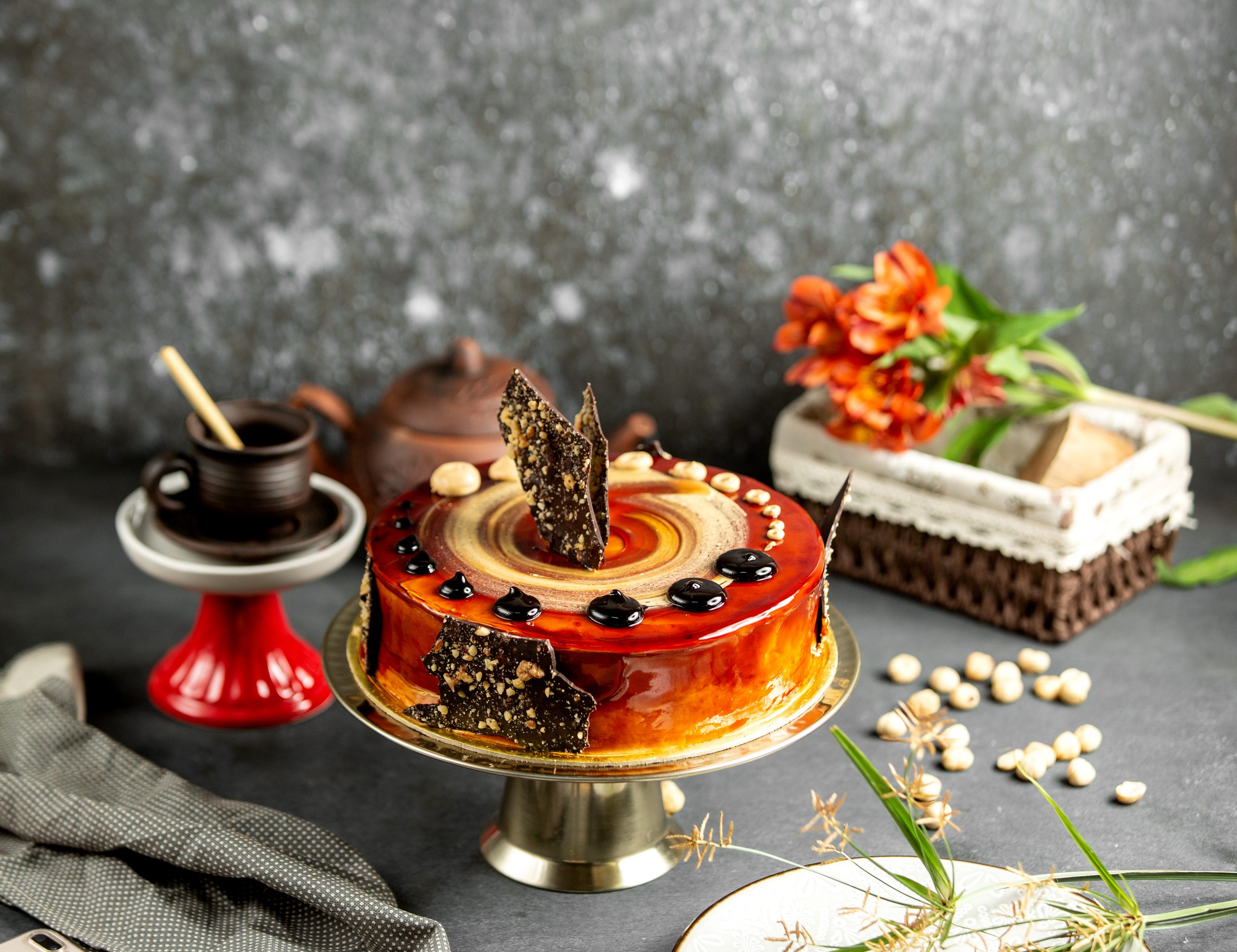
Baking is an exact science where small changes alter your final result, so following essential rules is crucial for achieving your goal of baking the perfect cake with a flawless rise. First, you should always measure ingredients by weight using a digital kitchen scale for flour and sugar, as scooping with cups can pack too much flour and lead to a dry, dense cake. It is also important to use room-temperature ingredients so that eggs, butter, and milk emulsify smoothly, trapping air that expands during baking. Additionally, make sure to check your leavening agents, replacing baking powder and baking soda every six months to avoid a flat cake. Finally, always preheat your oven because a cake needs immediate, consistent heat to activate the rising process properly.
Once the sponge is baked, choosing the right popular cake frosting adds flavor, traps moisture, and transforms a simple base into a work of art. Common frosting types include American buttercream, which is a sweet, thick mix of softened butter, powdered sugar, and milk; Swiss meringue buttercream, a silky, less-sweet frosting made by whipping cooked egg whites and sugar before beating in softened butter; and ganache, a rich glaze or filling made from equal parts warm heavy cream and melted chocolate. For those new to decorating, practicing beginner-friendly decorating techniques can yield professional results. Applying a thin crumb coat of frosting and chilling the cake for 20 minutes will trap loose crumbs so the final layer stays clean. Using a rotating turntable allows you to smoothly apply frosting without awkwardly stopping and starting, while holding a metal bench scraper gently against the side of the rotating cake will help you achieve clean, smooth edges.
Understanding the internal chemical reactions taking place inside your oven can drastically elevate your skills when baking the perfect cake. When the batter enters the heated environment, the fats melt and the sugars dissolve, creating a temporary liquid state before the structure sets. Simultaneously, the heat triggers the leavening agents to produce carbon dioxide gas, which gets trapped within the matrix of proteins and starches. As the temperature rises, these gases expand, causing the batter to rise and create the fluffy crumb texture that everyone loves. If the oven temperature is too low, the gases escape before the egg proteins and flour starches can solidify, resulting in a sunken center. Conversely, an oven that is too hot will cause the exterior crust to set prematurely, blocking the rising process and leaving you with a cracked, dome-like surface or an underbaked, gummy interior.
The choice of flour also plays an incredibly vital role in determining the ultimate texture of your crumb structure when you attempt baking the perfect cake. All-purpose flour contains a moderate amount of protein, which creates enough gluten to support standard everyday bakes but can sometimes feel too heavy for delicate layers. Professional bakers consistently prefer cake flour for fine-textured recipes because it undergoes a specific bleaching process that lowers its protein content and increases its ability to absorb liquid and sugar. This lower protein content prevents excess gluten development during the mixing process, resulting in an exceptionally tender, meltingly soft mouthfeel. If you only have all-purpose flour on hand, you can mimic the characteristics of cake flour by replacing two tablespoons of flour from every cup with two tablespoons of cornstarch, ensuring you sift the mixture multiple times to distribute the starches uniformly.
Fats and sugars do much more than simply add flavor to your batter; they are primary structural softeners that interfere with gluten formation during your journey of baking the perfect cake. Granulated sugar acts as a tenderizer by binding with water molecules, which delays the coagulation of egg proteins and the gelatinization of starches during the baking cycle. This delay allows the cake to expand fully before the structural walls set, yielding a softer and lighter finished product. Creaming solid butter and sugar together creates a mechanical web of micro-air pockets that expand under heat, which is why skipping this step often results in a rubbery, heavy dessert. Vegetable oil, while lacking the built-in aeration properties of butter, excels at coating flour proteins to provide a lingering sensation of moisture that keeps your baked goods fresh for days.
Even the most experienced bakers encounter occasional mishaps, but understanding how to troubleshoot these errors is key to consistently baking the perfect cake. If your layers consistently sink in the center as they cool, it is highly likely that you over-mixed the batter, introducing too much structural air that the weak flour matrix could not support. Sunken centers can also occur if you open the oven door too early in the baking process, letting in a sudden rush of cool air that collapses the delicate, unset protein structures. A dry, crumbly texture usually points back to an accidental excess of flour, an overbaked layer, or a lack of sufficient fat and sugar to retain moisture. If your baked goods turn out overly dense with large, irregular holes scattered throughout the crumb, you likely over-activated the baking powder or failed to tap the filled pans on the counter to release trapped air bubbles before baking.
Once the sponge is baked, choosing the right popular cake frosting adds flavor, traps moisture, and transforms a simple base into a work of art. Common frosting types include American buttercream, which is a sweet, thick mix of softened butter, powdered sugar, and milk; Swiss meringue buttercream, a silky, less-sweet frosting made by whipping cooked egg whites and sugar before beating in softened butter; and ganache, a rich glaze or filling made from equal parts warm heavy cream and melted chocolate. For those new to decorating, practicing beginner-friendly decorating techniques can yield professional results. Applying a thin crumb coat of frosting and chilling the cake for 20 minutes will trap loose crumbs so the final layer stays clean. Using a rotating turntable allows you to smoothly apply frosting without awkwardly stopping and starting, while holding a metal bench scraper gently against the side of the rotating cake will help you achieve clean, smooth edges.
Advanced flavor pairings and textural contrasts can transform a technically sound dessert into an unforgettable culinary experience. Beyond the traditional boundaries of vanilla and chocolate, incorporating acidic elements like fresh lemon curd, passionfruit curd, or raspberry compote can brilliantly cut through the rich sweetness of heavy buttercreams. Experimenting with homemade simple syrups infused with aromatic botanicals, such as lavender, espresso, or vanilla bean, allows you to brush moisture directly into your baked layers before assembling them. Adding an unexpected element of texture, such as toasted chopped hazelnuts, salted caramel shards, or a crisp feuilletine layer between your frosting coats, keeps every bite exciting and balanced. Ultimately, baking the perfect cake is a beautiful synthesis of scientific precision, high-quality ingredients, and creative artistic expression that rewards patience with delicious celebrations.